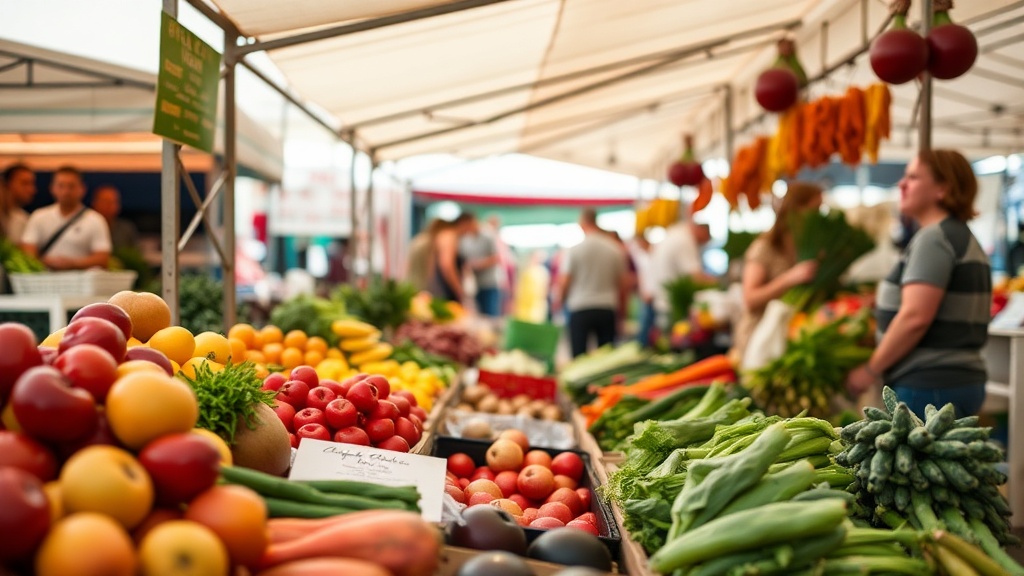
Finding the Best Local Farmers Market Produce Every Saturday

The Myth of the "Supermarket Premium"
Most people think shopping at a local farmers market in Cornwall, Ontario, is just a way to pay more for the same vegetables you'd find at the Loblaws or No Frills. That's a mistake. When you buy local, you aren't just paying for a label; you're paying for produce that was likely harvested within a few dozen kilometers of the Eastern Ontario plain, not shipped from across the ocean. This guide shows you how to identify the best seasonal produce, how to time your visits, and how to ensure you're getting the highest nutritional value for your dollar.
What is the Best Time to Visit the Cornwall Farmers Market?
The best time to visit is usually during the first hour of operation on Saturday mornings to secure the most diverse selection of seasonal items. While the market is a social hub, the "good stuff"—the heirloom tomatoes, the fresh berries, and the specific varieties of greens—tends to disappear fast. If you show up at 11:30 AM, you'll likely find the leftovers of what was once a vibrant display.
If you're looking for a more relaxed experience, arriving a bit later might be fine, but you'll have to settle for whatever is left. I've noticed that the most dedicated local growers often arrive at dawn to set up. By the time the general public arrives, the most high-demand items are already being claimed by the regulars.
Here is a quick breakdown of what to expect based on when you show up:
| Time of Arrival | Selection Quality | Crowd Level | Best For... |
|---|---|---|---|
| 8:00 AM - 9:00 AM | Peak (Highest) | Low/Moderate | Rare heirloom varieties and specialty items. |
| 9:00 AM - 11:00 AM | Good | High | General grocery shopping and social interaction. |
| 11:00 AM - Close | Limited | Low | Finding discounts or "end of season" deals. |
Don't forget to check the weather. If a heavy rainstorm hits the Cornwall area, many vendors might bring in their sensitive items earlier than usual. It's always a good idea to check the Environment Canada weather-alerts before you head out of the house.
How Do I Know if the Produce is Truly Fresh?
You can determine freshness by checking the weight, color, and scent of the produce rather than just looking at the price tag. For example, a heavy tomato is much juicier than one that feels light or hollow. In the world of agriculture, weight often correlates directly with water content and maturity.
When you're inspecting your haul, keep these physical cues in mind:
- Leafy Greens: Look for crisp, turgid leaves. If they look wilted or "slimy" at the stem, they've been sitting in the heat too long.
- Root Vegetables: Carrots and radishes should be firm and have no soft spots. If they feel "bendy," they are losing moisture.
- Berries: Avoid any containers where the berries at the bottom look bruised or have juice leaking. This is a sign of mold or over-ripeness.
- Stone Fruit: Peaches or plums should have a slight give when pressed gently, but they shouldn't be mushy.
A quick tip: if you see a vendor using heavy refrigeration or ice, that's a good sign they are taking care of their perishables. However, if the produce looks "sweaty" from condensation, it might have been sitting in a temperature swing. It's a subtle distinction, but you'll notice it once you start cooking.
How Much Does Local Produce Cost Compared to Grocery Stores?
Local produce costs more per unit for specialty items but can be more cost-effective for high-volume seasonal staples. While a head of iceberg lettuce from a big-box store might be cheaper, the flavor and nutrient density of a locally grown leaf of kale or butter lettuce are vastly different. You are paying for the short supply chain.
Think about it this way: when you buy a tomato from a global distributor, it has traveled thousands of miles in a refrigerated truck. That process strips nutrients and requires preservatives. When you buy from a grower near Cornwall, you're getting the real deal. According to Wikipedia's data on nutritional value, the time between harvest and consumption significantly impacts the vitamin levels in your food.
To save money, follow these three rules:
- Buy in Season: Never pay full price for strawberries in November. Wait for the peak of the Ontario growing season.
- Ask About "Seconds": Some farmers sell "ugly" produce—fruit that is perfectly edible but perhaps slightly bruised or oddly shaped—at a steep discount.
- Buy Bulk for Preserving: If a farmer has a massive surplus of zucchini or corn, buy a large amount and preserve it at home through canning or freezing.
It’s worth noting that buying local supports the local economy directly. The money stays in the Eastern Ontario region, helping our local farmers continue their work. It's an investment in our community's food security.
What Items Should I Look For First?
Prioritize items that have the shortest shelf life and the highest seasonal turnover. These are the items that taste the most different between a local farm and a grocery store. If you're looking for the best experience, start your shopping route with the most delicate items.
I usually head straight for the berry stalls. Strawberries, blueberries, and raspberries are notoriously difficult to ship long distances without bruising. When you get them fresh from a local farm, the flavor profile is incomparable. Once the berries are secured, I move to the heavy hitters like corn and squash. Corn, specifically, is a staple of the Ontario summer, and there is nothing quite like sweet corn picked that very morning.
If you're planning a big meal, you might want to check out my previous tips on beating the summer rush to ensure you have the best ingredients ready for your dinner party. Having the right ingredients is half the battle when you're trying to impress guests.
Always keep an eye out for the "specialty" items that don't show up in standard grocery aisles. This could be anything from ramps to specific varieties of heirloom peppers. These are the gems of the market—the items that make the trip worthwhile.
One thing to remember—always bring your own reusable bags. Most vendors appreciate it, and it's much better for the environment than using single-use plastic. Plus, it makes it easier to carry heavy items like melons or jugs of local honey. It's a small habit, but it makes the whole process much smoother.
Steps
- 1
Arrive Early for Selection
- 2
Check Seasonal Availability
- 3
Bring Reusable Bags
- 4
Talk to the Growers